4, Place de la Tour
78550 HOUDAN
+01 30 59 53 86
contact@tourismepayshoudanais.fr
X.RenouxCD78The Saint-Jacques Saint-Christophe church in Houdan…
A church like no other!
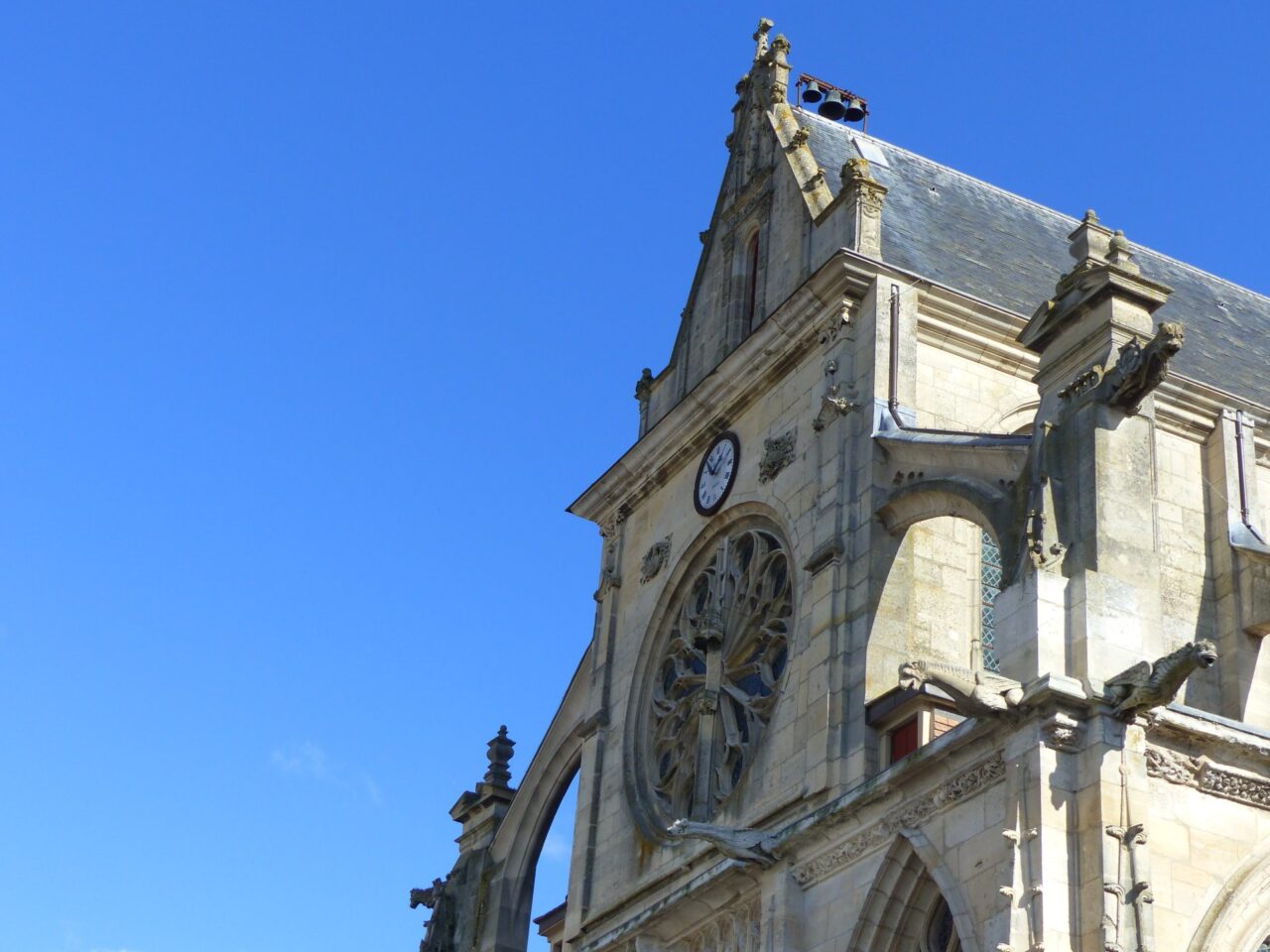
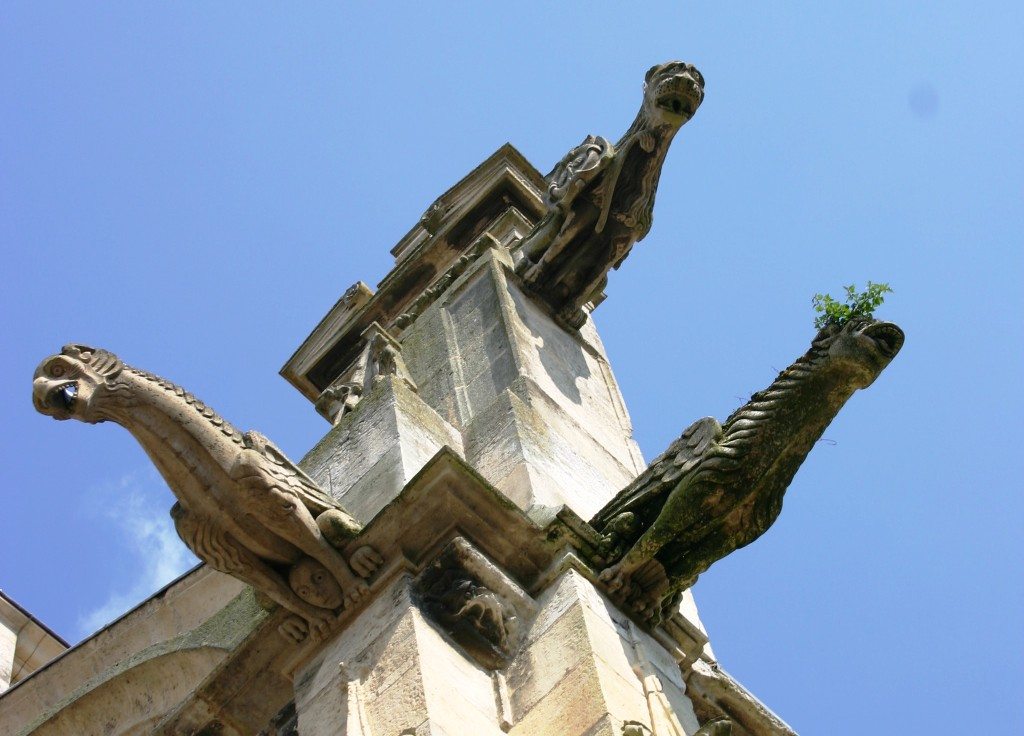
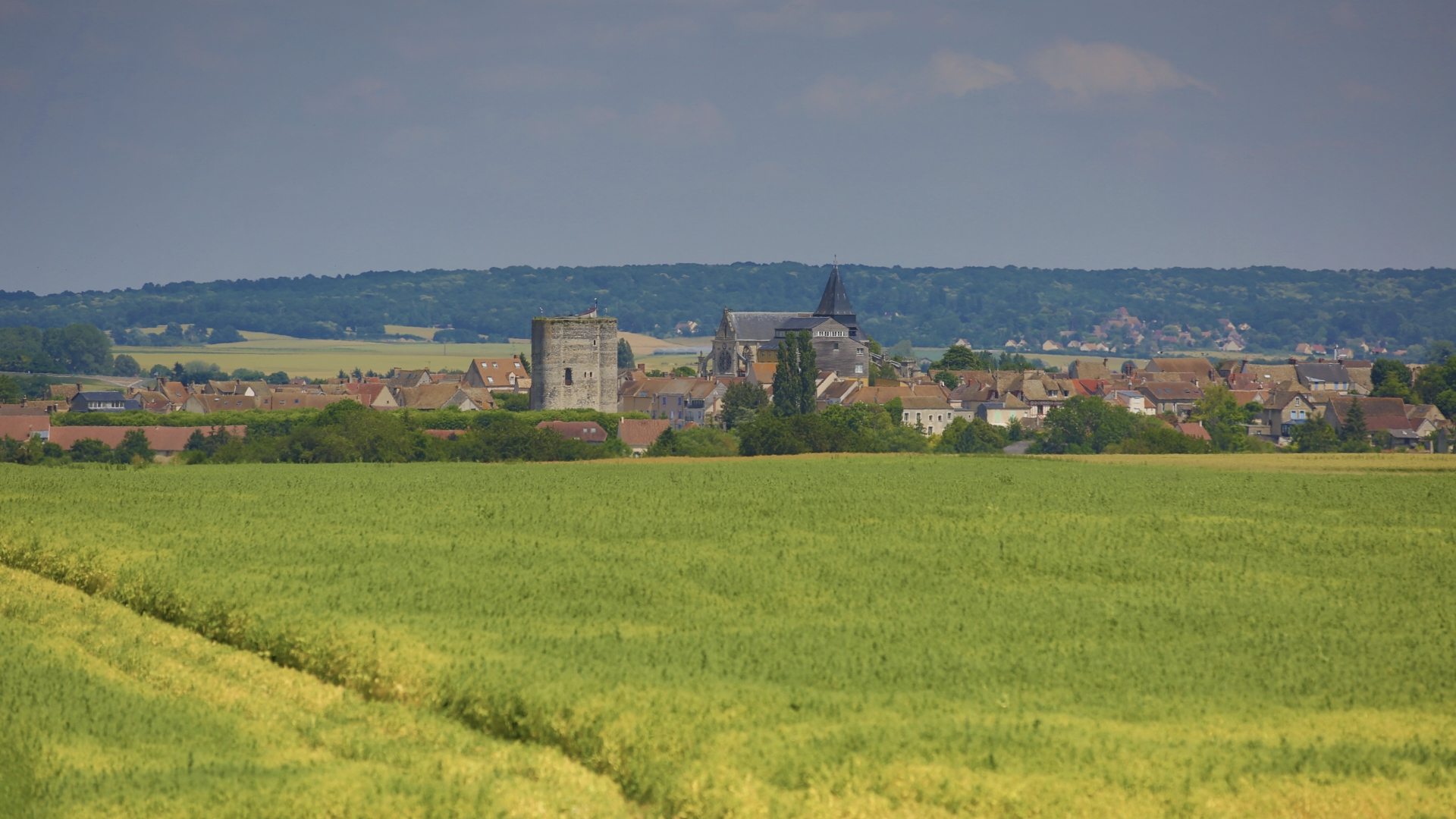
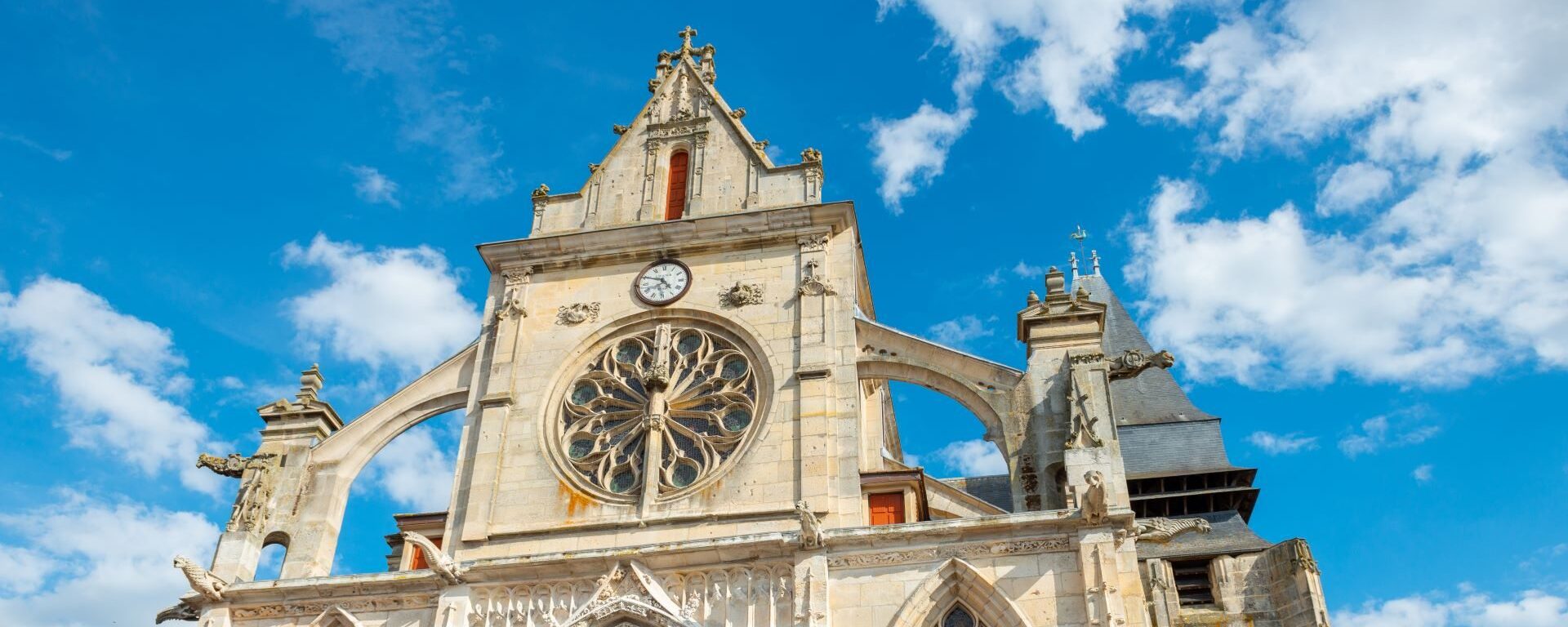
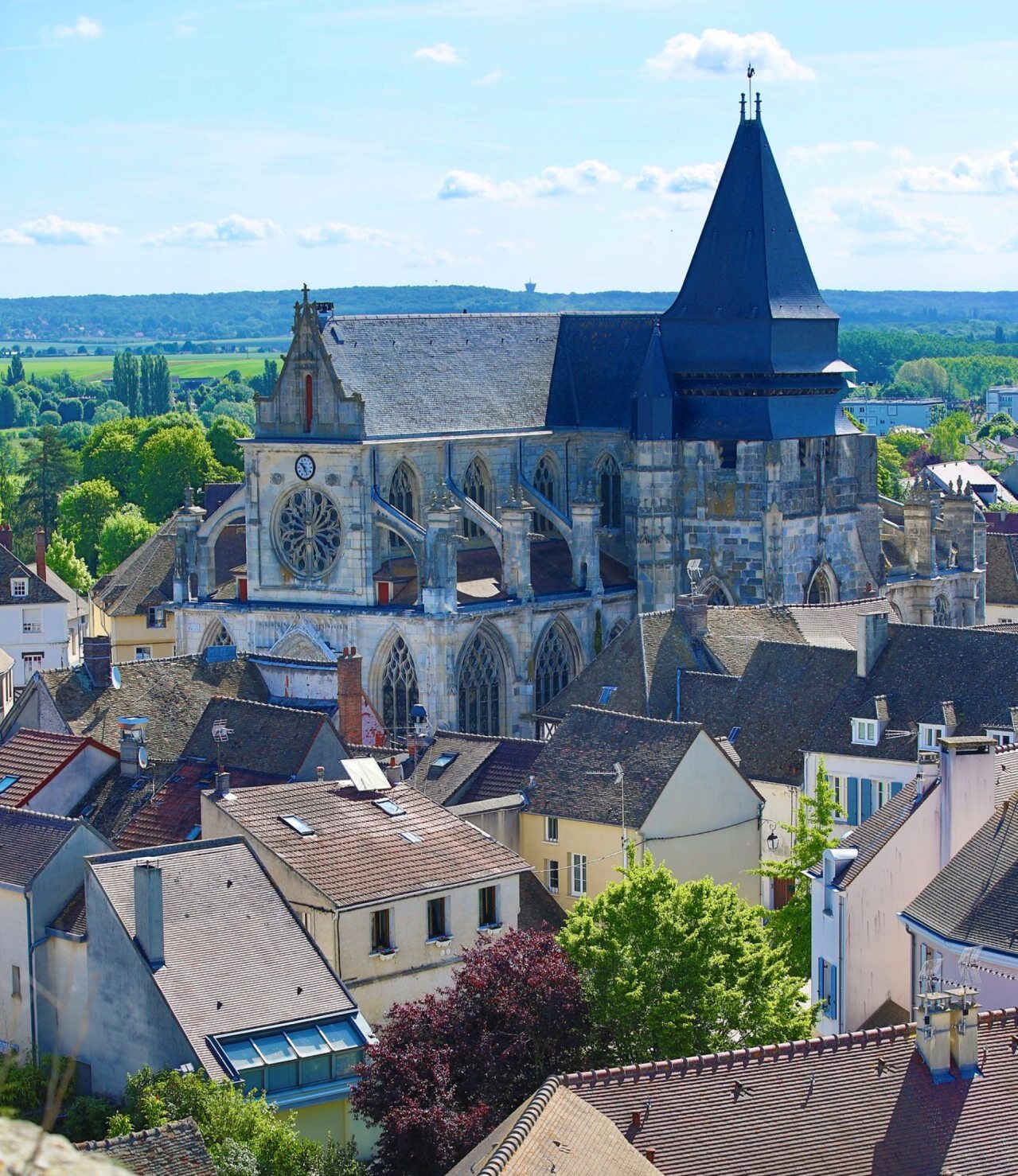
An integral part of the town 's distinctive skyline , the Church of Saint-Jacques Saint-Christophe holds many fascinating features. Here, we reveal the secrets of Houdan's charming church, reminiscent of a small cathedral. This way, you can impress your friends and share these interesting anecdotes!
At the end of the Hundred Years' War, Houdan regained its prosperity as a trading town and staging post. Houdan's merchants and artisans did good business and planned to build a beautiful, large church befitting their town. To this end, the Church of St. James the Greater, built in the 11th century , was rebuilt at the beginning of the 16th century thanks to the generosity of the parishioners , after receiving the additional dedication of St. Christopher. Neither the clergy nor the local lords contributed to its financing. Only donations and the determination of the local population made its construction possible!
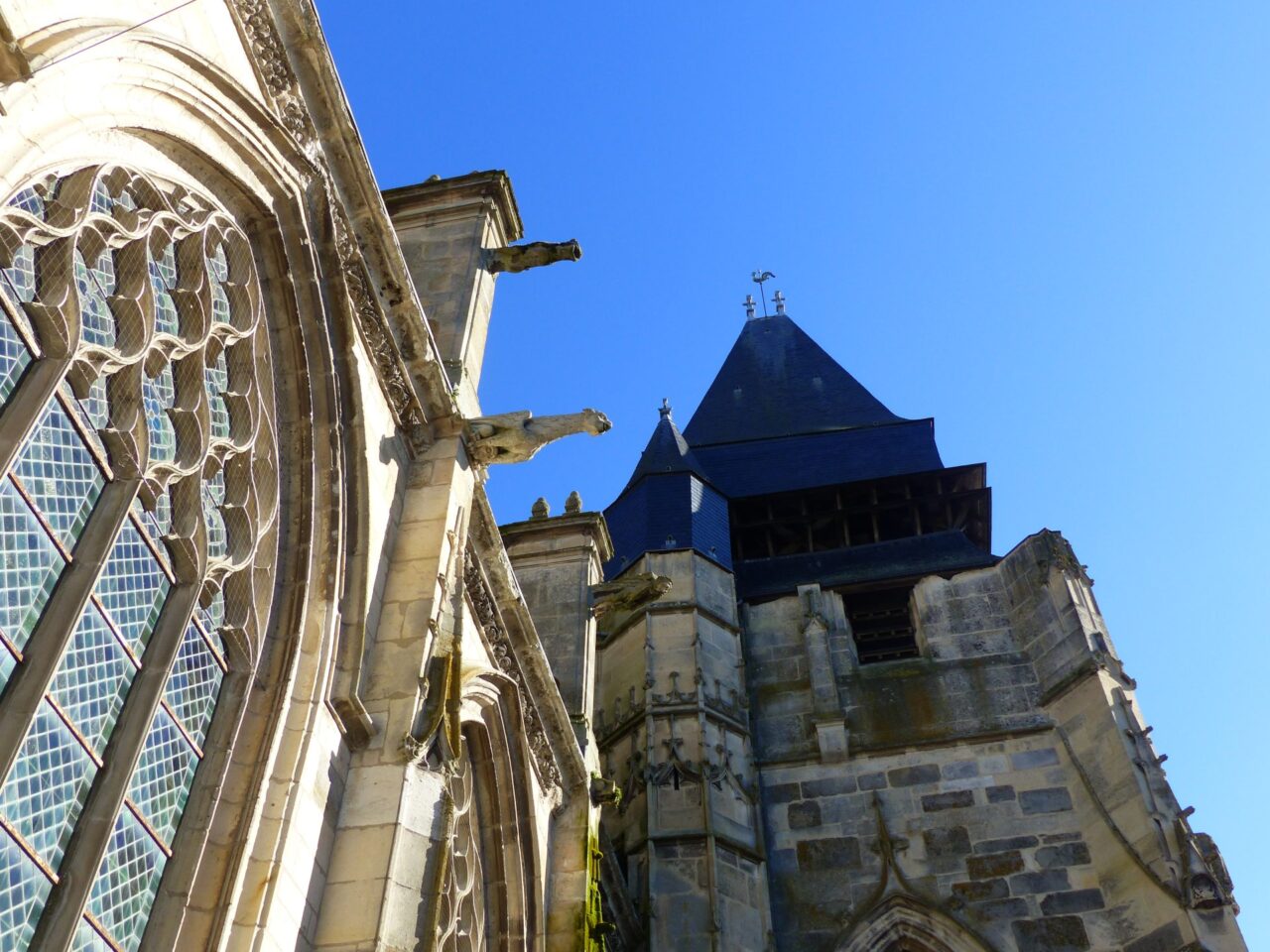
However, things are getting complicated, probably due to a lack of funding. It took 250 years to complete the project, which would explain the absence of the left arm of the transept and the upper part of the bell tower. The three centuries of work nevertheless allow us to admire the transition of construction between the flamboyant Gothic style and the Renaissance style.
CD78NicolasDuprey
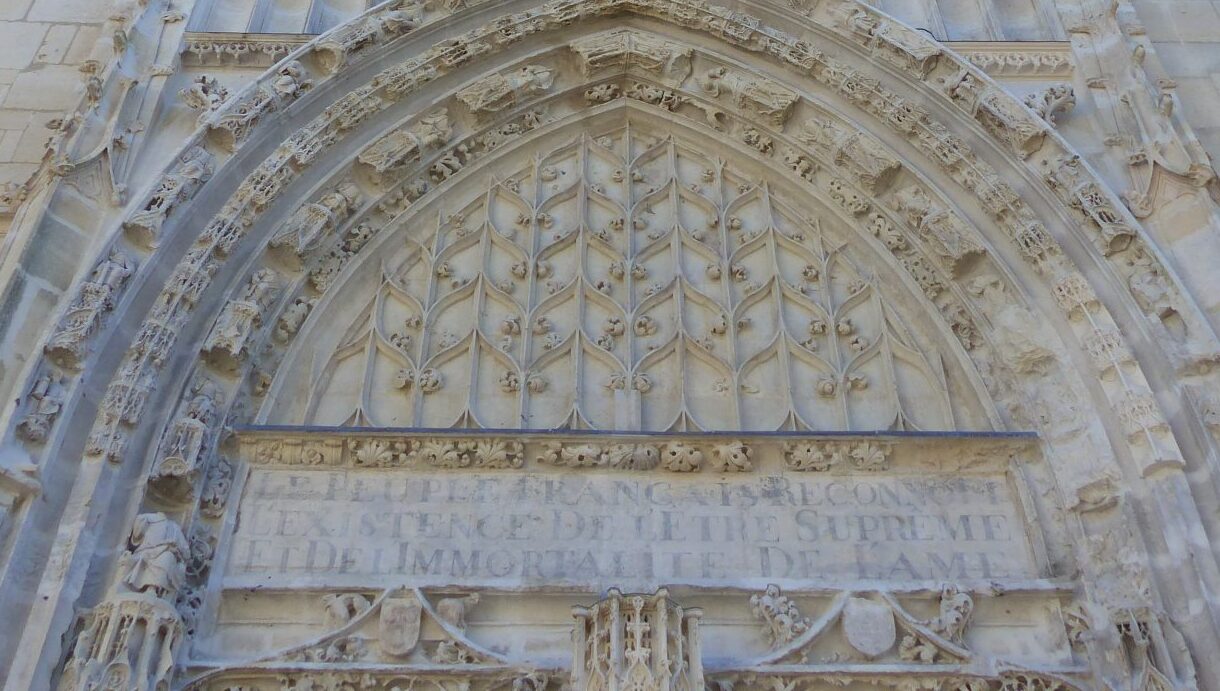
Margaux GenermontDuring the Revolution, the church became municipal property and was no longer maintained despite its classification as a Historic Monument in 1840. The building was then transformed into a Temple of Reason under the Committee of Public Safety (July 1793 – July 1794) . Its lintel still bears its heritage with the inscription: “The French people recognize the existence of the supreme being and the immortality of the soul”.
Many churches have thus been transformed to celebrate civic and atheist festivals. These festivals were intended to express the ideals of the Enlightenment which wanted to make the people aware of their sovereignty. Today, few religious monuments still preserve traces of this extremely short period of French History.


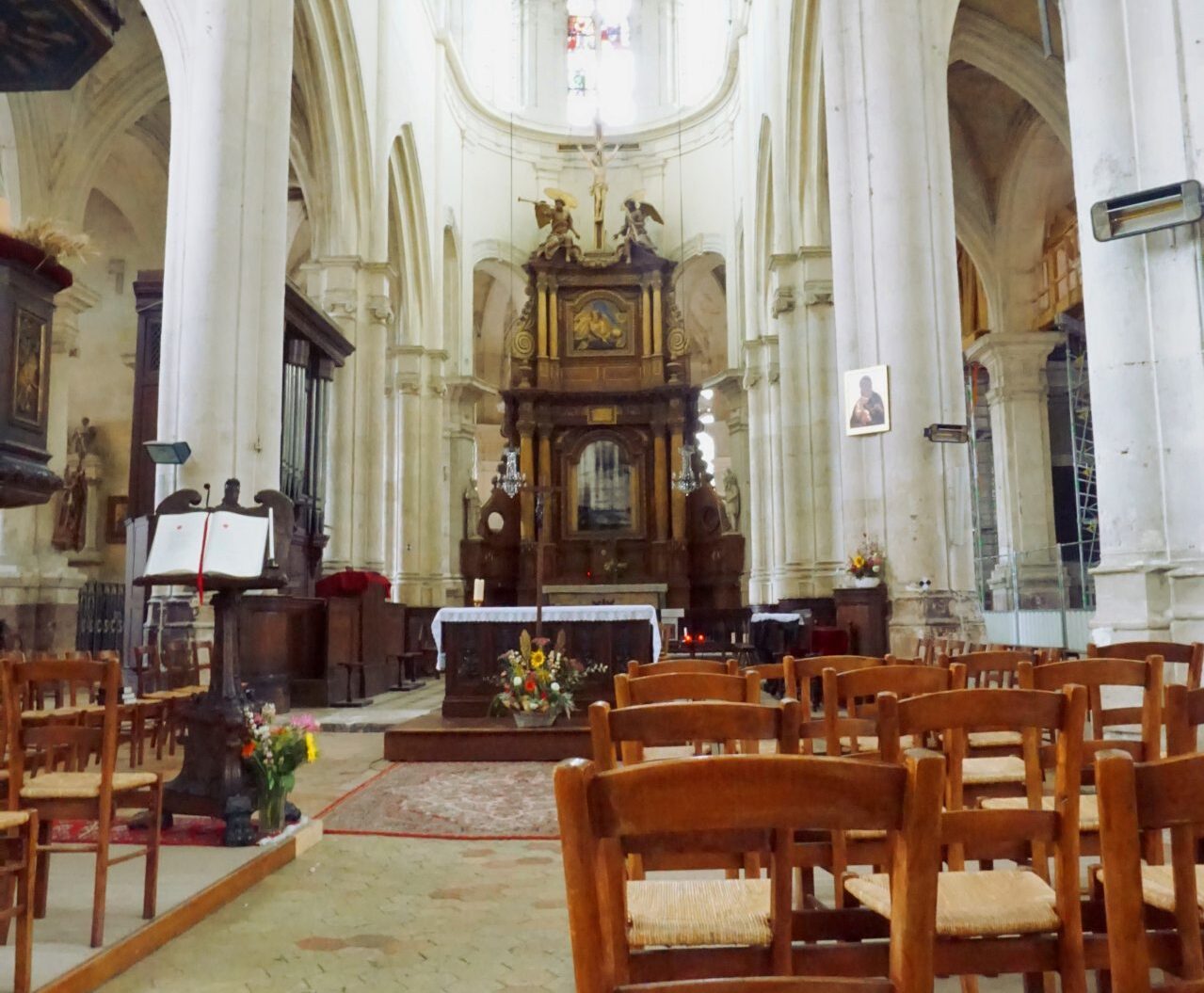
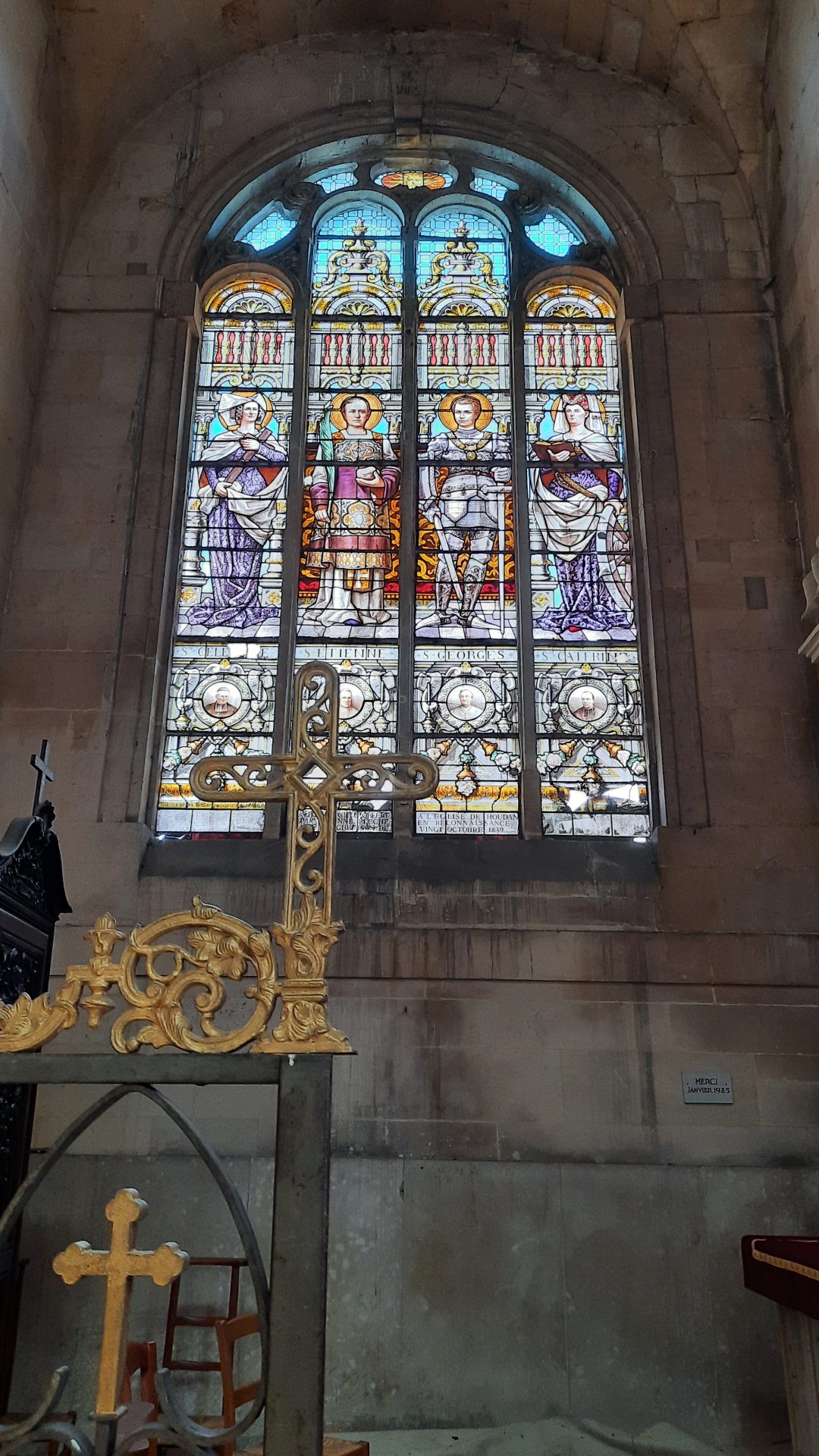
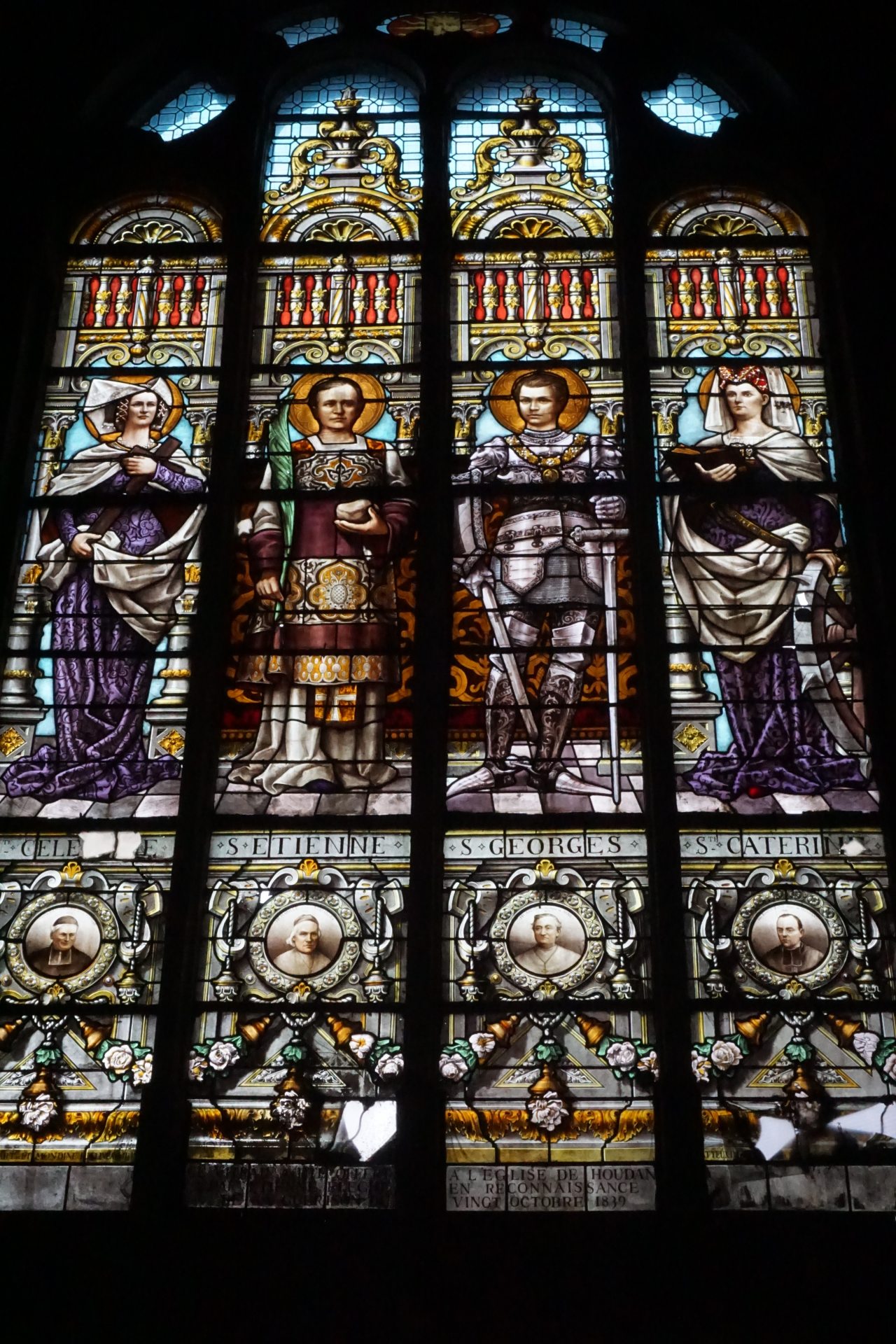
Now let's go past the bottom of the door to discover what's hidden inside the Houdan church. Admire the Gothic elevations, the Renaissance ambulatory and the painting “The Adoration of the Magi” by Louis Licherie. Then head towards the small chapel at the back on the left to discover the famous fresco of Montserrat.
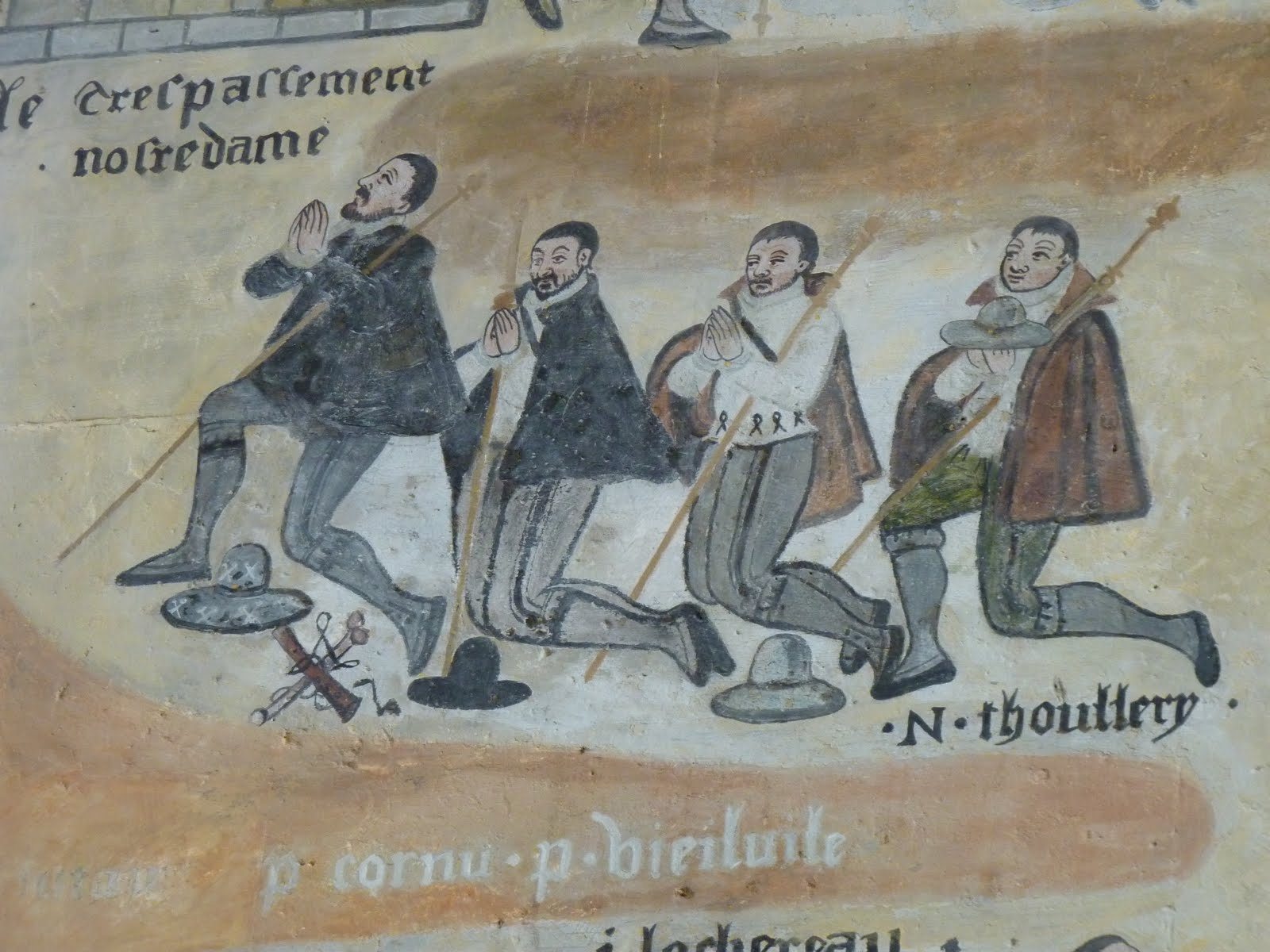
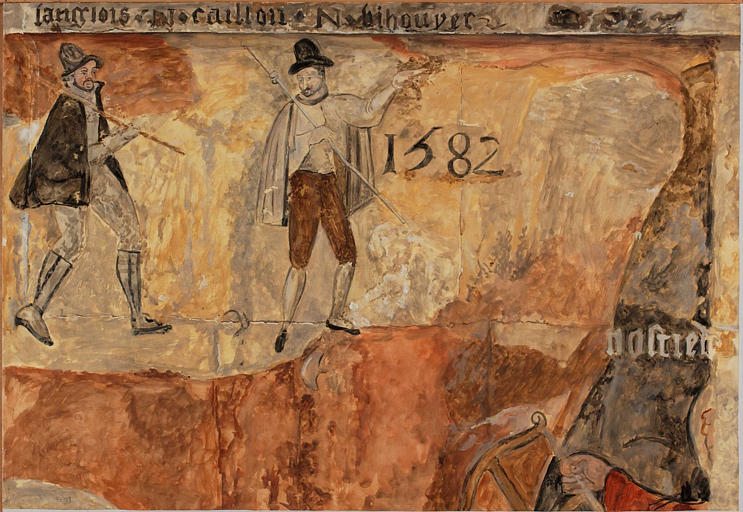
It was in 1949 that we discovered this original and unique fresco under a yellow wash. It commemorates the pilgrimage carried out by around thirty Houdanais in 1582 towards Montserrat (Catalonia) to invoke the Black Virgin, so that the scourge of the plague which was raging in the region would end.
Painted in a naive style, we can see travelers walking towards Montserrat. Keep your eyes peeled for five nuns, a one-legged man, a butcher, a lumberjack... And also discover the names of these people leaving written on the fresco!

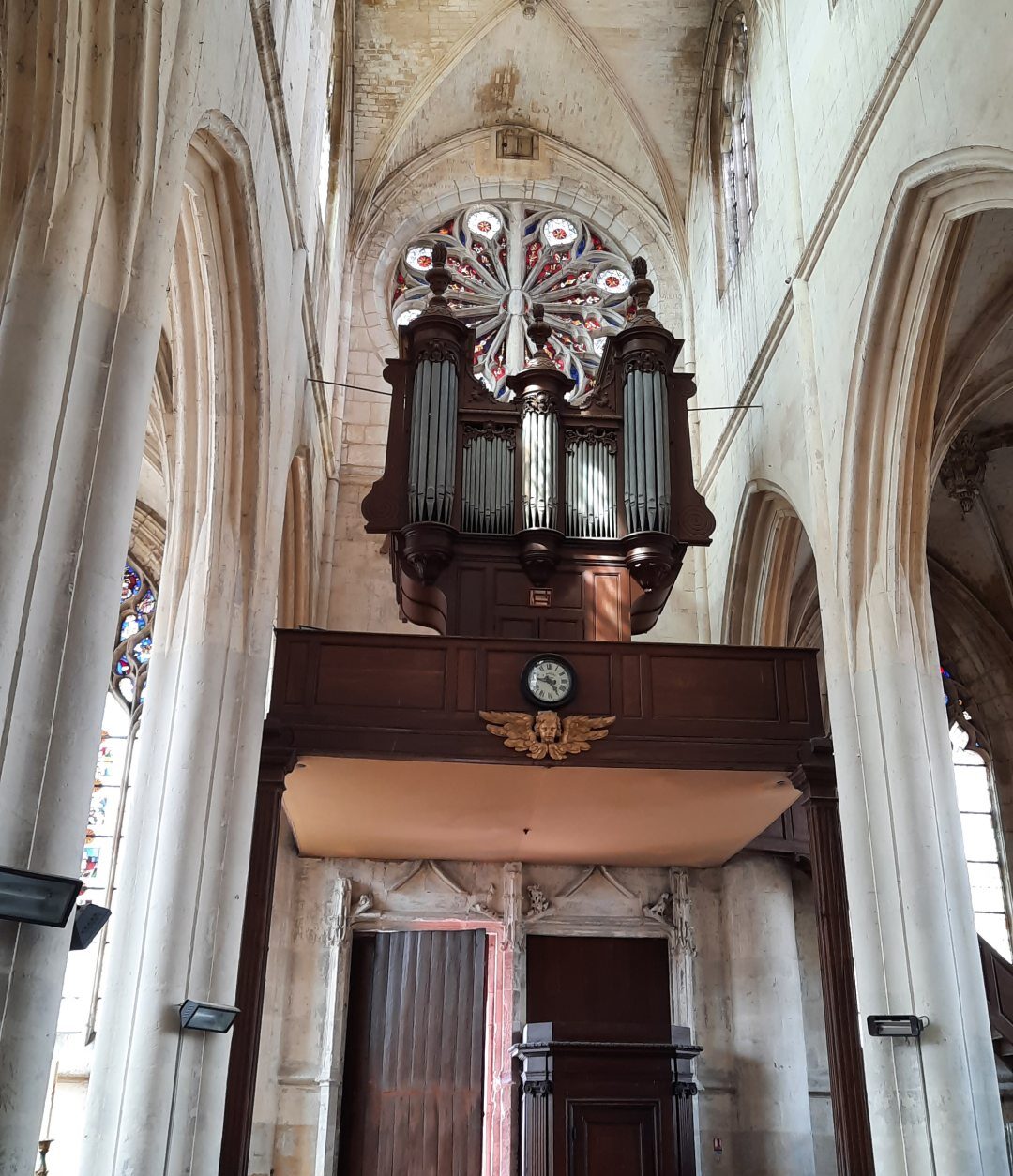
The imposing Clicquot organ in the church is one of the oldest instruments in France. Dating from 1734, it was built using parts from the Desenclos-Carouge organ, which dates from 1667. Made by the renowned organ-building family of the same name, this instrument is world-famous. It is considered an authentic example of the French classical organ. Indeed, its preservation, with a focus on authenticity, allows us to hear organ music from the 17th and 18th centuries as it was played at the time.
This instrument, which fell into disuse for a while, regained its nobility thanks to the Houdanaises (them again!). The residents undertook to save it because the Fine Arts administration did not contribute to the restoration costs. Finally in 1972, it was with Madame Pompidou that the very particular melody of the organ resonated again. And this, to the great pleasure of lovers of baroque music!